
Understanding how to check Interpol wanted list is essential for law enforcement officers, investigators, and concerned citizens alike. With globalization on the rise and crime spreading beyond national borders, Interpol plays a pivotal role in international law enforcement collaboration. This article delves into the purpose, significance, and process of accessing the Interpol wanted list, along with tips on using this resource effectively.
The Role of Interpol in International Law Enforcement
Interpol, or the International Criminal Police Organization, facilitates cooperation among police forces worldwide. Established in 1923, Interpol has evolved into one of the largest international organizations, composed of 194 member countries. Its primary mission is to combat transnational crime through intelligence sharing, operational support, and capacity building.
Understanding the Interpol Wanted List
The Interpol wanted list, often referred to as Red Notices, is a tool used by the organization to alert member countries about individuals wanted for prosecution or to serve a sentence based on valid national arrest warrants. A Red Notice is not an international arrest warrant; rather, it serves as a request for law enforcement worldwide to locate and provisionally arrest a person pending extradition.
Red Notices are issued for various reasons, including serious crimes such as murder, human trafficking, drug smuggling, and fraud. They are essential for maintaining international security and aiding law enforcement in tracking down fugitives who may attempt to evade justice by crossing borders.

How to Access the Interpol Wanted List
Accessing the Interpol wanted list is relatively straightforward. Individuals can visit Interpol’s official website or utilize specific law enforcement channels. Here’s a step-by-step guide on how to check the wanted list:
1. Visit the Official Interpol Website
Start by going to Interpol’s official website. The site is user-friendly, with sections dedicated to wanted persons listed under the ‘Crimes’ or ‘Notices’ tabs.
2. Navigate to the Notices Section
Once on the Interpol homepage, look for the ‘Notices’ menu. This section will allow you to view all published notices. Specific links will be provided for Red Notices, making it easy to locate the wanted individuals.
3. Search for a Specific Individual
Interpol’s website offers search functionality for users to input the name or other identifying information about the wanted person. Users can also filter results based on nationality, offense type, or status.
4. Review the Details
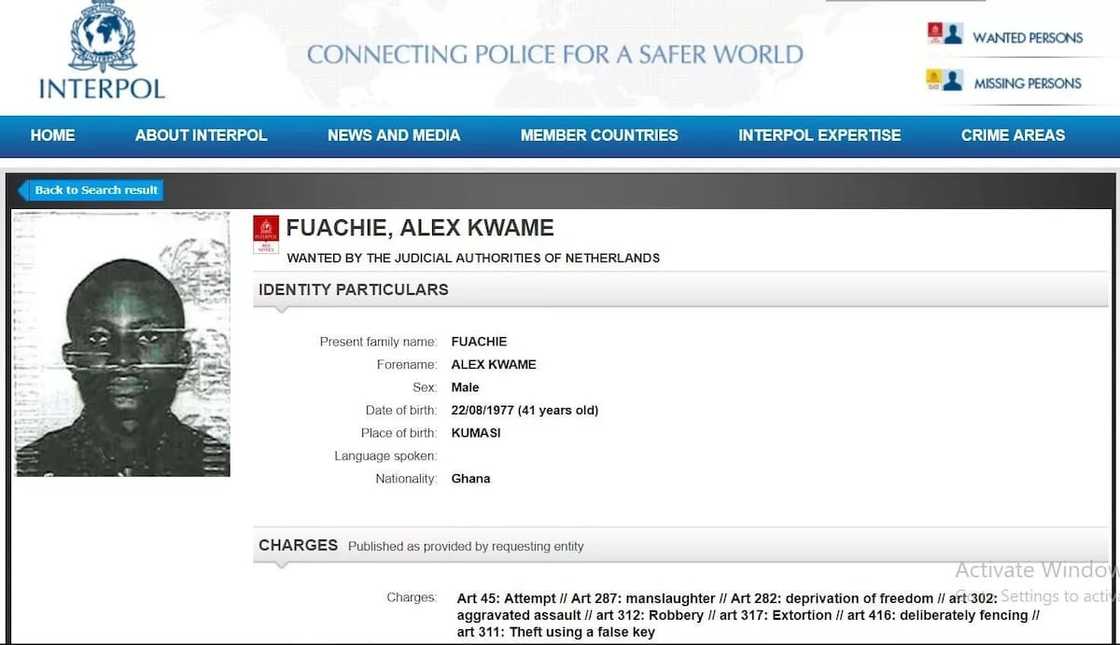
Each Red Notice contains essential information about the individual, including their name, photograph, nationality, and the nature of the allegations against them. Review this information carefully if you are researching for law enforcement purposes or personal interest.
Interpreting the Information in a Red Notice
Understanding the structure of a Red Notice is crucial when encountering one:
- Personal Details: This includes the individual’s name, birth date, nationality, and sometimes their aliases.
- Photo: A recent photograph is usually included for better identification.
- Allegations: A summary of the charges or crimes the individual is wanted for.
- Legal Information: Details about the issuing country, case number, and the status of arrest orders.
Implications of the Interpol Wanted List
The existence of the Interpol wanted list has significant implications for international law enforcement, including:
- Enhanced Cooperation: The list encourages member countries to share information and collaborate on apprehending fugitives.
- Increased Awareness: Public access to this information raises awareness about ongoing criminal activities and known offenders.
- Deterrence: The existence of a Red Notice may deter individuals from committing crimes due to the threat of international pursuit.
Challenges Associated with the Interpol Wanted List
While the Interpol wanted list is a powerful tool, challenges exist:
- Legal Limitations: Red Notices are requests, not mandates, which means individual countries are not obliged to act on a Red Notice.
- Potential Misuse: There have been instances where Red Notices have been issued for political reasons, leading to misuse of the system.
- Privacy Concerns: Publicly available details may infringe on the rights of individuals, particularly if they are wrongfully accused.
The Future of Interpol and the Wanted List
The future of the Interpol wanted list looks promising as technology advances. Enhanced systems for data sharing and artificial intell

igence could streamline the process of tracking fugitives. Additionally, increasing collaboration with private organizations may provide a more comprehensive approach to international security and crime prevention.
Conclusion
In conclusion, knowing how to check and interpret the Interpol wanted list is vital for law enforcement agencies and civilians interested in public safety and international crime. With globalization increasing the complexity of crime, Interpol’s role becomes even more crucial. By utilizing resources available on the Interpol wanted list, individuals can contribute to global efforts in tracking down criminals and ensuring justice across borders.