

Horse racing is one of the oldest sports in the United Kingdom, steeped in tradition and competition. However, there are times when significant events and races are not on the calendar. Understanding these aspects is crucial for both dedicated fans and casual bettors. Whether due to weather conditions, logistical issues, or other unforeseen circumstances, the absence of horse racing events raises numerous questions and considerations for enthusiasts. Furthermore, for those who may be seeking alternatives, there are always options such as UK horse racing not on GamStop horse racing not on GamStop, which continues to captivate audiences.
### The Significance of Horse Racing in the UK
Horse racing is often dubbed the “Sport of Kings,” and for good reason. It has a rich history dating back centuries, attracting spectators and bettors alike. Major events like the Grand National, the Epsom Derby, and Royal Ascot draw massive crowds and significant media attention. These events aren’t just races; they are celebrations of culture, breeding, and the spirit of competition. However, when these events are not taking place, what does this mean for betting and the industry at large?
### Why Horse Racing Events May Be Cancelled or Postponed
There are numerous reasons why horse racing events may not occur as planned. Weather is perhaps the most common factor, with rain, snow, or extreme heat potentially leading to cancellations. Safety is paramount in the horse racing industry, and authorities will not hesitate to call off an event to protect the horses, jockeys, and spectators.
Logistical issues can also contribute to cancellations. For example, if there is an outbreak of disease among horses—such as equine flu—this can lead to many races being cancelled to prevent further spread. Additionally, issues with track conditions or infrastructure can lead to last-minute changes, affecting scheduled races.
Events may also not be on due to economic factors. For instance, in light of economic downturns, organizers might cancel less popular races that do not attract enough spectators or participants. This can particularly affect smaller tracks that rely heavily on a stable inflow of attendees and betting income.
### Impacts of Events Not Being On
The absence of organized races can have a ripple effect across the horse racing industry. For bettors, the lack of races means fewer opportunities to place bets, which can affect bookies and betting platforms. Loss of income from wagers leads to financial strain for many stakeholders in the horse racing environment.
Owners, trainers, and jockeys also feel the impact. With races not on, there are fewer opportunities for horses to showcase their talents, earn prize money, and progress in their careers. As a result, the overall development and incentives for horse racing may become limited until a regular schedule resumes.
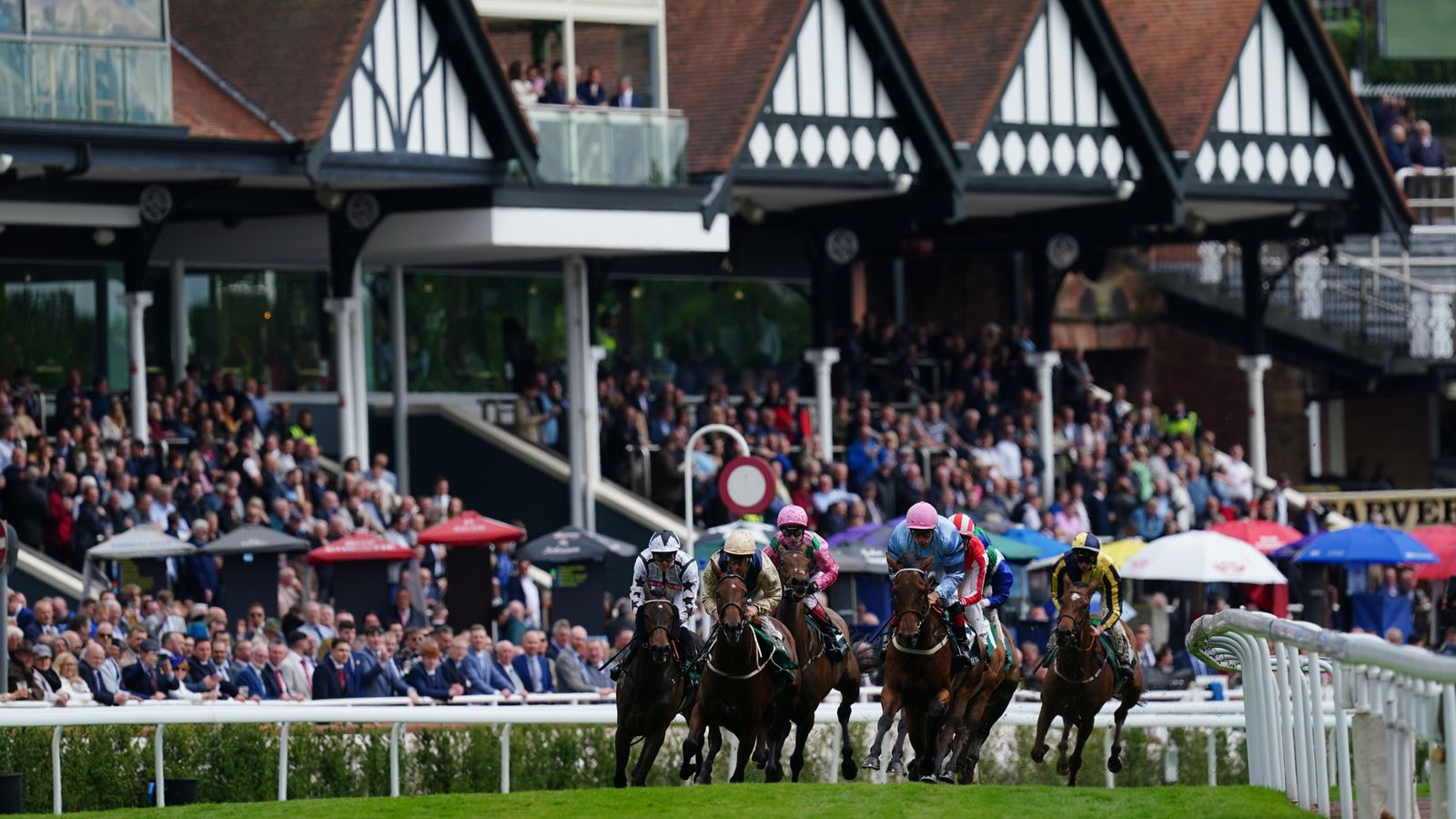
Furthermore, the sport’s fan base may falter if engagements dwindle. Without regular events, the excitement that surrounds betting, watching horses compete, and the social aspects of attending races begins to diminish. For the public, horse racing is not just about the races but also about the experience and community that surrounds them.
### Alternatives During Fewer Events
When significant horse racing events are not on, fans and bettors often look for alternative forms of entertainment or betting. Other forms of animal racing, such as greyhound racing, may offer a substitute. While different in nature, greyhound racing has a similarly enthusiastic following, providing another opportunity for those longing for the thrill of the wager or the excitement of a race.
Online platforms also present options for fans during quieter times in the horse racing calendar. Virtual horse racing games and betting on simulated races can fill the void for those seeking a thrill. Moreover, online communities and forums allow fans to stay connected, discussing past races, sharing insights, and even engaging in fantasy racing leagues where they can participate using past performance data.
### Keeping Up with Scheduling Changes
For hard-core fans and bettors, keeping track of when horse racing events are on or off can be challenging but necessary. Racing calendars are available on various platforms, and it’s essential to subscribe to notifications from official racing authorities or apps that provide up-to-date information regarding schedules, cancellations, and other changes.
Many racing websites also provide news on upcoming events as well as analysis on track conditions, which can further help bettors make informed decisions. Following racehorses and trainers on social media can provide additional insight and help fans stay engaged, even during race downtimes.
### Conclusion: The Future of UK Horse Racing
While horse racing is a resilient sport with a dedicated fan base, the challenge of events not being on highlights the vulnerabilities that come with it. Weather, economic factors, and logistical issues significantly affect not only the events themselves but also the ecosystem surrounding them. Understanding these dynamics empowers fans and participants to engage smarter with the sport, finding alternative methods to enjoy their passion even during quieter times. Through community engagement, online betting options, and virtual experiences, the spirit of horse racing continues anew while waiting for the next thrilling event to unfold.