

Understanding Forex Trading Systems: A Comprehensive Guide
The world of forex trading is both exciting and complex. Many traders seek to harness the power of a forex trading system Trading Broker Global to maximize their profits. In this article, we will delve into the various aspects of forex trading systems, helping you identify an effective approach to your trading strategy.
What is a Forex Trading System?
A forex trading system is a set of rules and guidelines that dictate when to enter and exit trades on the foreign exchange market. These systems can be based on technical analysis, fundamental analysis, or even a combination of both. The goal of a trading system is to provide traders with a structured approach that minimizes emotional decision-making and increases potential profitability.
Types of Forex Trading Systems
Forex trading systems can be classified into several categories based on different criteria:
- Technical Trading Systems: These systems rely solely on charts and technical indicators to generate trading signals. Common indicators include moving averages, Relative Strength Index (RSI), and Bollinger Bands.
- Fundamental Trading Systems: These systems analyze economic news, interest rates, and geopolitical events to make trading decisions. Traders using fundamental analysis might look at economic indicators like GDP growth, unemployment rates, and inflation.
- Price Action Trading: This method involves making trading decisions based on historical prices and patterns without relying on indicators. Traders often focus on candlestick patterns and key support and resistance levels.
- Algorithmic Trading Systems: These systems utilize computer algorithms to execute trades automatically based on predefined criteria. These can be fully automated or semi-automated systems.

Benefits of Using a Forex Trading System
While many traders navigate the forex market without a formal trading system, implementing one can help improve performance. Here are some of the key benefits:
- Consistency: A well-defined trading system offers traders a consistent approach to decision-making, reducing the influence of emotion and bias.
- Risk Management: Most trading systems incorporate risk management techniques, such as stop-loss orders, to protect traders from significant losses.
- Objective Analysis: Trading systems help traders make informed decisions based on data rather than speculation, promoting a more analytical mindset.
- Performance Tracking: Keeping a detailed record of trades executed through a system allows traders to analyze their performance and adjust their strategies over time.
How to Create Your Own Forex Trading System
Building a trading system involves several steps:
- Define Your Goals: Determine your financial objectives, risk tolerance, and the amount of time you can dedicate to trading.
- Choose Your Market: Select the currency pairs you want to trade based on your interest and market knowledge.
- Develop Your Strategy: Decide whether you will use technical, fundamental, or a combination of analysis methods. Create rules for entering and exiting trades.
- Backtest Your System: Use historical data to test your trading system. This helps you identify any flaws in your strategy and optimize it before using real money.
- Implement Risk Management: Set rules for managing your capital and minimizing losses. Consider using stop-loss orders and limiting the amount of capital at risk for each trade.
- Document Your Trades: Keep track of each trade you make, noting the reasons for entering and exiting positions, and review your performance regularly.
Choosing the Right Broker for Your Forex Trading System
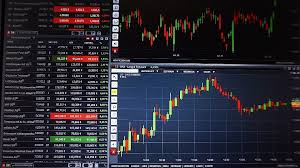
The effectiveness of your trading system can significantly depend on the broker you choose. Here are some key factors to consider when selecting a forex broker:
- Regulation: Ensure that the broker is regulated by a reputable authority, such as the Financial Conduct Authority (FCA) or the Commodity Futures Trading Commission (CFTC).
- Trading Platform: Look for a user-friendly trading platform that supports your trading strategy and offers essential tools for analysis.
- Spreads and Commissions: Compare the trading costs across different brokers, including spreads and commissions, to find one that suits your trading style.
- Customer Support: A broker offering reliable and responsive customer support can make a significant difference when you encounter issues or have questions.
Common Mistakes to Avoid in Forex Trading
Even with a trading system in place, many traders fall into common traps that can negatively impact their results. Here are a few pitfalls to avoid:
- Lack of Discipline: Sticking to your trading plan is crucial. Avoid deviating from your strategy based on emotions or market hype.
- Overtrading: Trading too frequently or with excessive risk can lead to significant losses. Stick to your system and trade only when there’s a clear signal.
- Neglecting Risk Management: Failing to implement effective risk management strategies can lead to devastating losses. Always prioritize protecting your capital.
- Chasing Losses: Trying to recover from a losing trade by taking on more risk is a dangerous practice. Accept your losses and stick to your trading plan.
Conclusion
Understanding and implementing a forex trading system can significantly enhance your trading performance. By honing your strategy, selecting the right broker, and avoiding common pitfalls, you can increase your chances of success in the foreign exchange market. Remember that trading is a journey, and learning continuously will ultimately lead to greater profits and a better understanding of the market dynamics.